




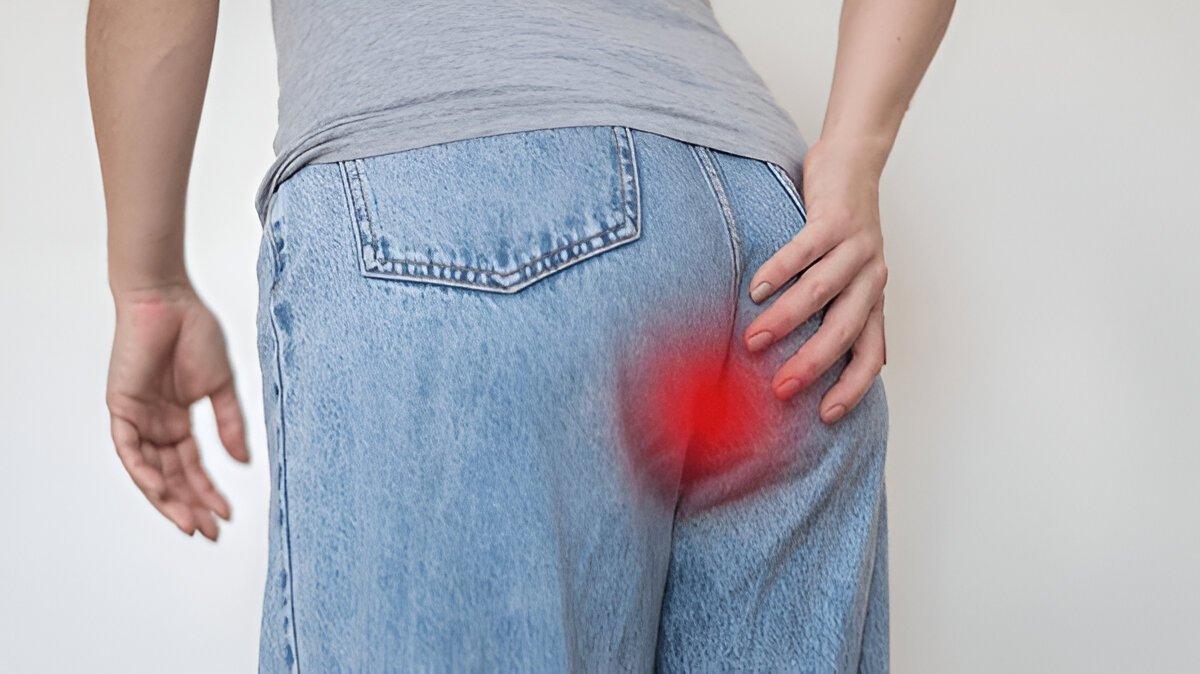
Piles
Piles, also known as hemorrhoids, are swollen and inflamed veins in the lower rectum and anus. They are a common condition that can affect people of all ages and may cause significant discomfort if left untreated. Piles can be classified into internal piles, which develop inside the rectum, and external piles, which form around the anus.
Common symptoms of piles include pain or discomfort during bowel movements, bleeding while passing stools, itching or irritation around the anal area, swelling, and the feeling of a lump near the anus. In some cases, piles may cause mucus discharge or a sensation of incomplete bowel emptying. Factors such as chronic constipation, straining during bowel movements, prolonged sitting, low-fiber diet, obesity, pregnancy, and a sedentary lifestyle can increase the risk of developing piles. However, advanced or long-standing piles may require surgical intervention to provide lasting relief and prevent recurrence. Ignoring symptoms can lead to complications such as severe pain, anemia due to chronic bleeding, or infection. Advanced or painful piles may require surgical intervention to provide long-term relief. Modern treatment options focus on reducing pain, bleeding, and recurrence. These procedures are safe and effective, allowing patients to return to normal activities quickly.