




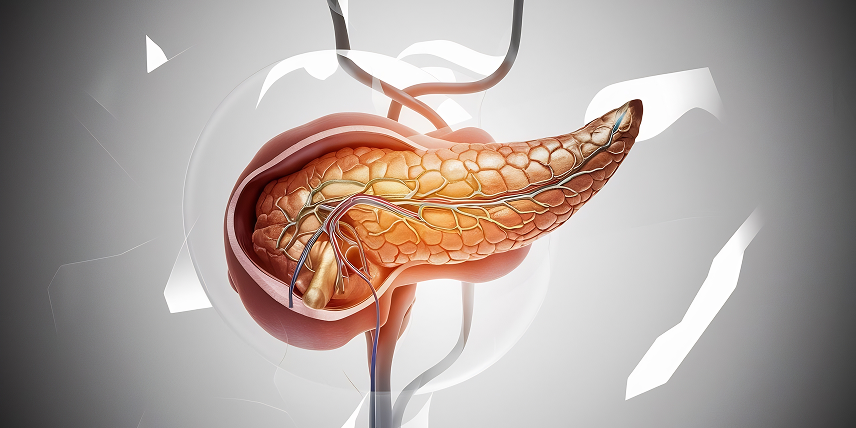
Pancreas
The pancreas is a vital organ located behind the stomach that plays a crucial role in both digestion and blood sugar regulation. It produces digestive enzymes that help break down food in the intestines and releases hormones such as insulin and glucagon, which regulate blood sugar levels. Proper pancreatic function is essential for maintaining digestive health and metabolic balance.
Various conditions can affect the pancreas, ranging from mild inflammation to serious, life-threatening diseases. Common pancreatic disorders include acute and chronic pancreatitis, pancreatic cysts, pancreatic stones, pancreatic tumors, and pancreatic cancer. Symptoms may include severe upper abdominal pain radiating to the back, nausea, vomiting, bloating, fever, unexplained weight loss, oily stools, or uncontrolled blood sugar levels. These symptoms should never be ignored, as pancreatic conditions can progress rapidly without timely treatment. Continuous monitoring and post-treatment follow-up ensure optimal recovery and long-term pancreatic health. These investigations help determine the exact cause, severity, and stage of the condition for precise treatment planning. Treatment depends on the specific pancreatic condition and its severity. Mild pancreatitis may be managed with medications, dietary modifications, and supportive care. More complex conditions such as pancreatic cysts, stones, or tumors may require endoscopic or surgical intervention. Each treatment plan is tailored to the patient’s individual health needs. Recovery time varies based on the type of pancreatic condition and treatment provided.