




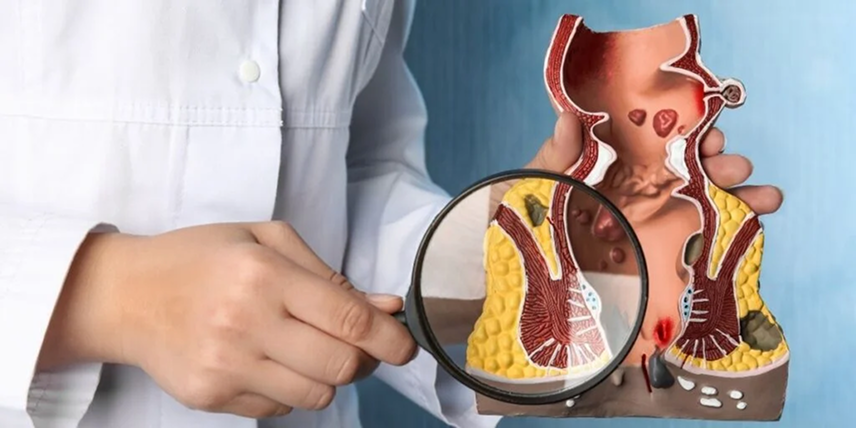
Fissure
An anal fissure is a small tear or cut in the lining of the anus, usually caused by passing hard or large stools. It is a common condition that can cause severe pain and bleeding during or after bowel movements. Although fissures can occur at any age, they are more common in people suffering from chronic constipation or irregular bowel habits. The most common symptoms of an anal fissure include sharp or burning pain while passing stools, bleeding seen on toilet paper or in the stool, itching or irritation around the anal area, and a visible crack or tear near the anus. In some cases, patients may also experience spasms of the anal muscles, which can delay healing and worsen pain.
Anal fissures are classified as acute (short-term) or chronic (long-standing). Acute fissures often heal with proper medical treatment, dietary changes, and stool regulation. However, chronic fissures may persist for weeks or months and may require advanced medical or surgical treatment to provide lasting relief. In some cases, additional tests may be recommended to rule out other anorectal conditions or underlying causes, especially in chronic or recurrent fissures. Recovery after fissure treatment is generally quick when proper care is followed. Patients are advised to maintain a high-fiber diet, stay well-hydrated, avoid straining during bowel movements, and follow prescribed medications. Regular follow-up ensures complete healing and long-term relief. Under the expert supervision of Dr. Mehul Mehta, patients receive accurate diagnosis, effective treatment, and compassionate care aimed at lasting relief and improved quality of life.