




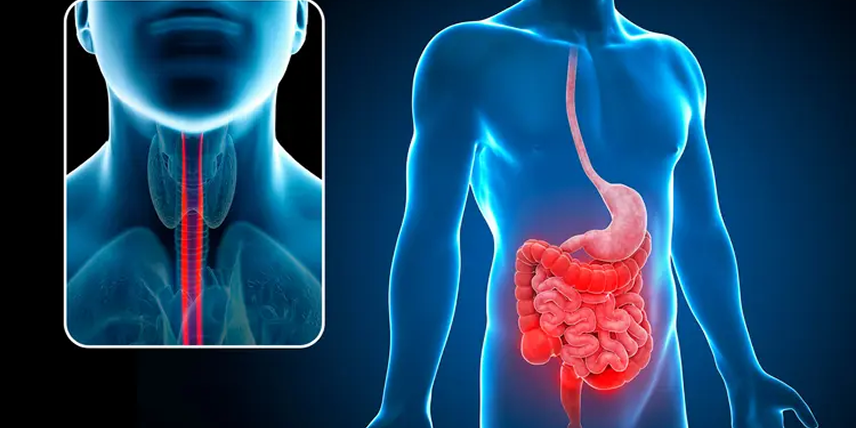
Esophagus
The esophagus, commonly known as the food pipe, is a muscular tube that connects the throat (pharynx) to the stomach. Its primary function is to transport food and liquids from the mouth to the stomach through coordinated muscle movements called peristalsis. A healthy esophagus plays a crucial role in digestion and overall gastrointestinal health.
Various conditions can affect the esophagus, ranging from mild discomfort to serious medical problems. Common esophageal disorders include acid reflux (GERD), esophagitis (inflammation), esophageal strictures (narrowing), hiatal hernia, motility disorders, and esophageal cancer. Symptoms often include difficulty or pain while swallowing, chest pain, persistent heartburn, acid regurgitation, chronic cough, hoarseness, and a sensation of food getting stuck in the chest. One of the most common conditions is Gastroesophageal Reflux Disease (GERD), where stomach acid flows back into the esophagus, causing irritation and inflammation. Early diagnosis and proper management are essential to prevent long-term damage. These investigations help identify inflammation, narrowing, abnormal movement, or growths within the esophagus, enabling accurate diagnosis and targeted treatment. Treatment depends on the underlying condition and its severity. Mild conditions like acid reflux may be managed with lifestyle modifications and medications. More complex disorders such as strictures, severe GERD, hiatal hernia, or cancer may require endoscopic procedures or surgical intervention. Treatment plans are tailored to each patient’s specific needs.