



Small & Large Intestine
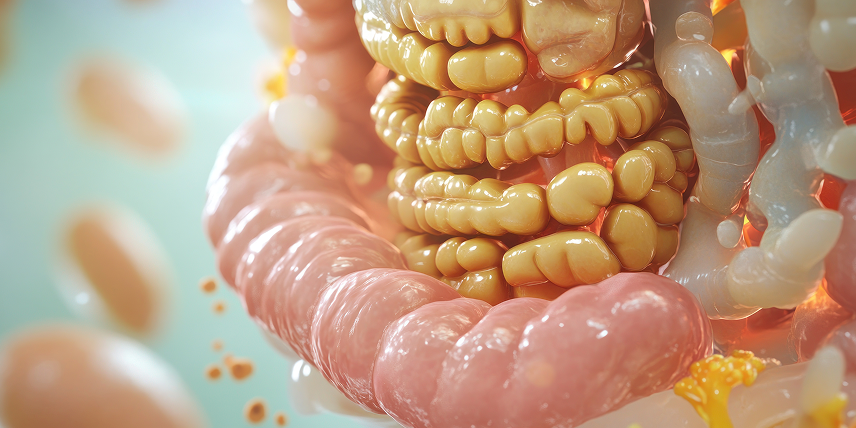
The small and large intestine are essential parts of the digestive system responsible for nutrient absorption, digestion, and waste elimination. The small intestine absorbs nutrients, vitamins, and minerals from digested food, while the large intestine (colon) absorbs water and salts and helps form and eliminate stool. Proper functioning of both intestines is crucial for overall digestive health and well-being.
A wide range of conditions can affect the small and large intestine. Common intestinal disorders include intestinal obstruction, inflammatory bowel disease (IBD) such as Crohn’s disease and ulcerative colitis, intestinal infections, appendicular and ileocecal diseases, diverticulitis, intestinal polyps, intestinal bleeding, and small or large bowel tumors and cancers. Symptoms may include abdominal pain or cramps, bloating, diarrhea or constipation, blood in stools, unexplained weight loss, vomiting, and changes in bowel habits. Persistent symptoms require timely medical evaluation to prevent complications. Early consultation and timely treatment play a vital role in preventing complications and restoring healthy bowel function. Intestinal problems may arise due to infections, inflammatory conditions, poor dietary habits, stress, long-term medication use, autoimmune disorders, genetic factors, or age-related changes. Obstruction, reduced blood supply, or abnormal growths within the intestines can also interfere with normal bowel function and lead to serious complications if not treated on time. These investigations help accurately identify inflammation, obstruction, bleeding, tumors, or other abnormalities, enabling precise and timely treatment.