



Liver
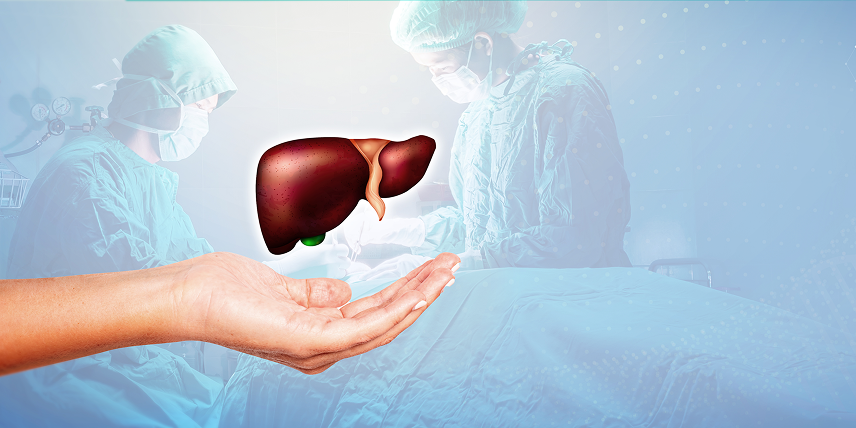
The liver is one of the most vital organs in the human body, playing a crucial role in digestion, metabolism, detoxification, and overall health. It helps process nutrients from food, produces bile for digestion, removes toxins from the blood, supports immunity, and stores essential vitamins and minerals. A healthy liver is essential for maintaining balance and well-being in the body.
Various conditions can affect the liver, ranging from mild and reversible problems to serious, life-threatening diseases. Common liver disorders include fatty liver disease, hepatitis (viral or non-viral), liver infections, liver cirrhosis, liver abscess, bile duct disorders, and liver tumors or cancer. Early-stage liver disease may not cause noticeable symptoms, but as the condition progresses, patients may experience fatigue, abdominal pain or swelling, jaundice (yellowing of skin and eyes), nausea, loss of appetite, weight loss, dark urine, or swelling in the legs. Treatment plans are customized based on the patient’s diagnosis, stage of disease, and overall health. In certain cases, liver biopsy or endoscopic procedures may be performed to accurately assess the severity and type of liver disease. Treatment depends on the underlying liver condition and its stage. Early-stage liver diseases may be managed with medications, lifestyle modifications, dietary changes, and regular monitoring. More advanced conditions such as cirrhosis, liver abscess, bile duct blockage, or tumors may require interventional procedures or surgical treatment. Advanced laparoscopic and image-guided procedures help treat complex liver conditions while minimizing discomfort and ensuring faster recovery.